For many young people living with HIV, it is not the virus that isolates them, but the whispers, the judgment and the fear of their status being known. Behind the cheerful greetings and everyday laughter lie untold stories of pain, strength, and survival that rarely make it to public discussions.
According to the International Crisis Group, the crisis in the Anglophone regions of Cameroon has severely weakened healthcare systems, leaving young people with limited access to HIV information, prevention, and treatment services.
With health facilities either closed or operating with minimal capacity, many young people have been engaged in vulnerable situations such as transactional sex, early marriages and exposure to sexual violence, OCHA Cameroon Humanitarian Response Plan, 2023 reports.
UNICEF 2022 equally reports that the resulting lack of consistent, youth-friendly information and services has contributed to the increase risk of HIV transmission and delayed access to life-saving treatment .
While stigma and fear remain significant barriers to open conversations about HIV in these communities, young people living with HIV are particularly affected and often unaware of where to access antiretroviral therapy (ART) due to disruptions in the health systems.
This contributes to the continued stigma surrounding HIV and worsens treatment outcomes.
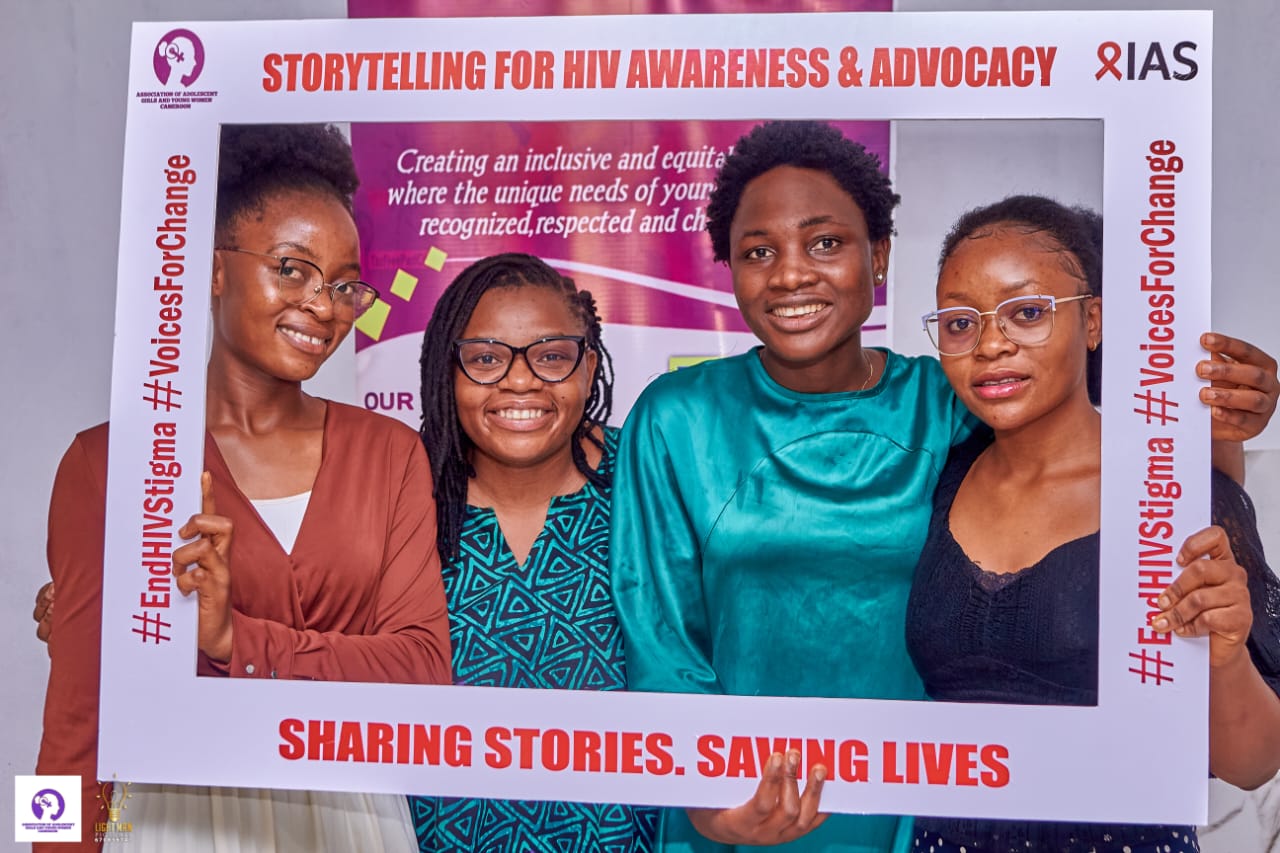
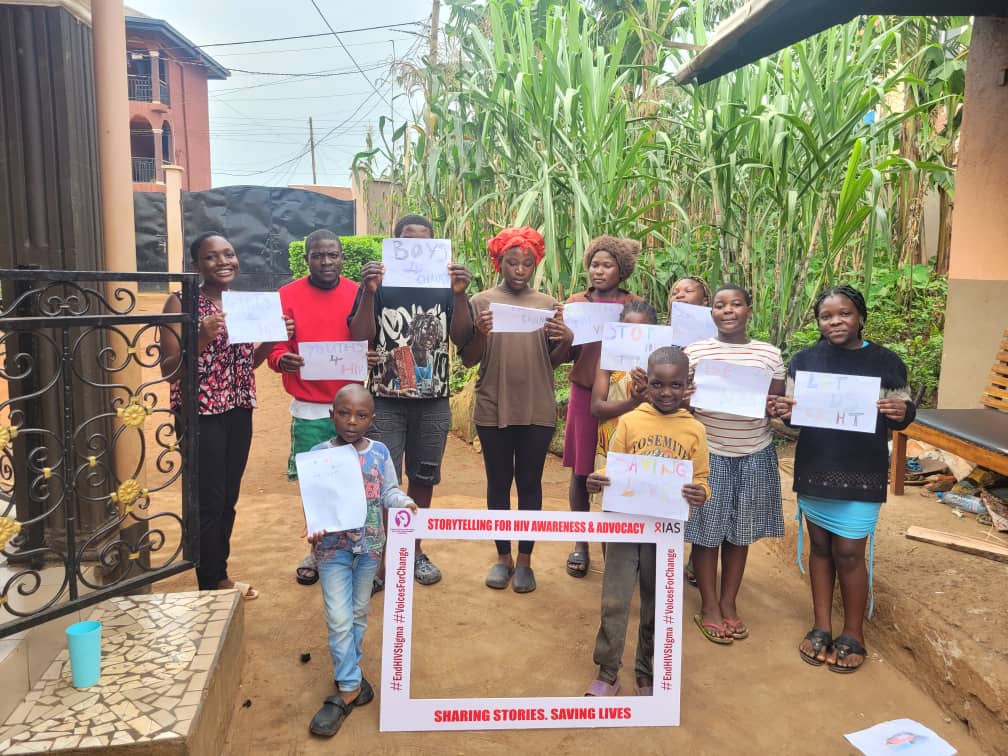
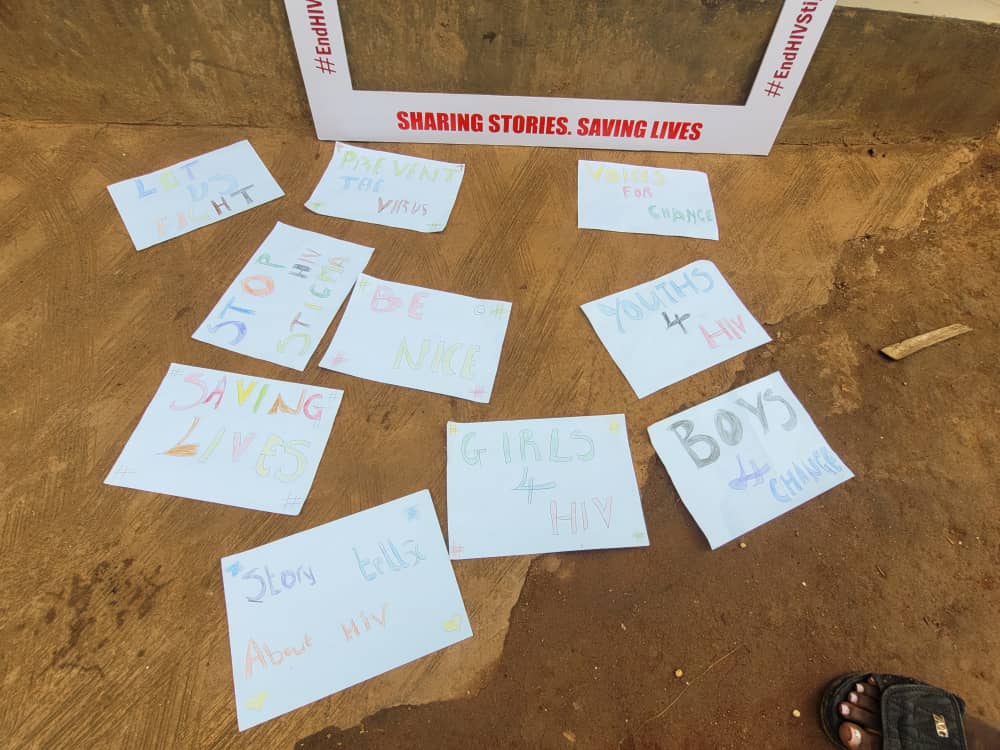
To remedy some of these factors , The Association for Adolescent Girls and Young Women in Cameroon through its initiative, Storytelling for HIV Awareness and Advocacy funded by the International AIDS Society created a safe space for young people living with HIV to break their silence hence shifting mindsets and breaking barriers to ease access to care services.
The idea, according to Ayeah Charlotte the project lead is born from what she calls “a simple, painful observation.”
“Many young people living with HIV in Bamenda are carrying their stories in silence,” Charlotte explains. “They have experiences that can teach, heal, and change minds, but stigma has convinced them to stay quiet. We realized that if they don’t tell their own stories, someone else will and usually not with kindness or truth.”
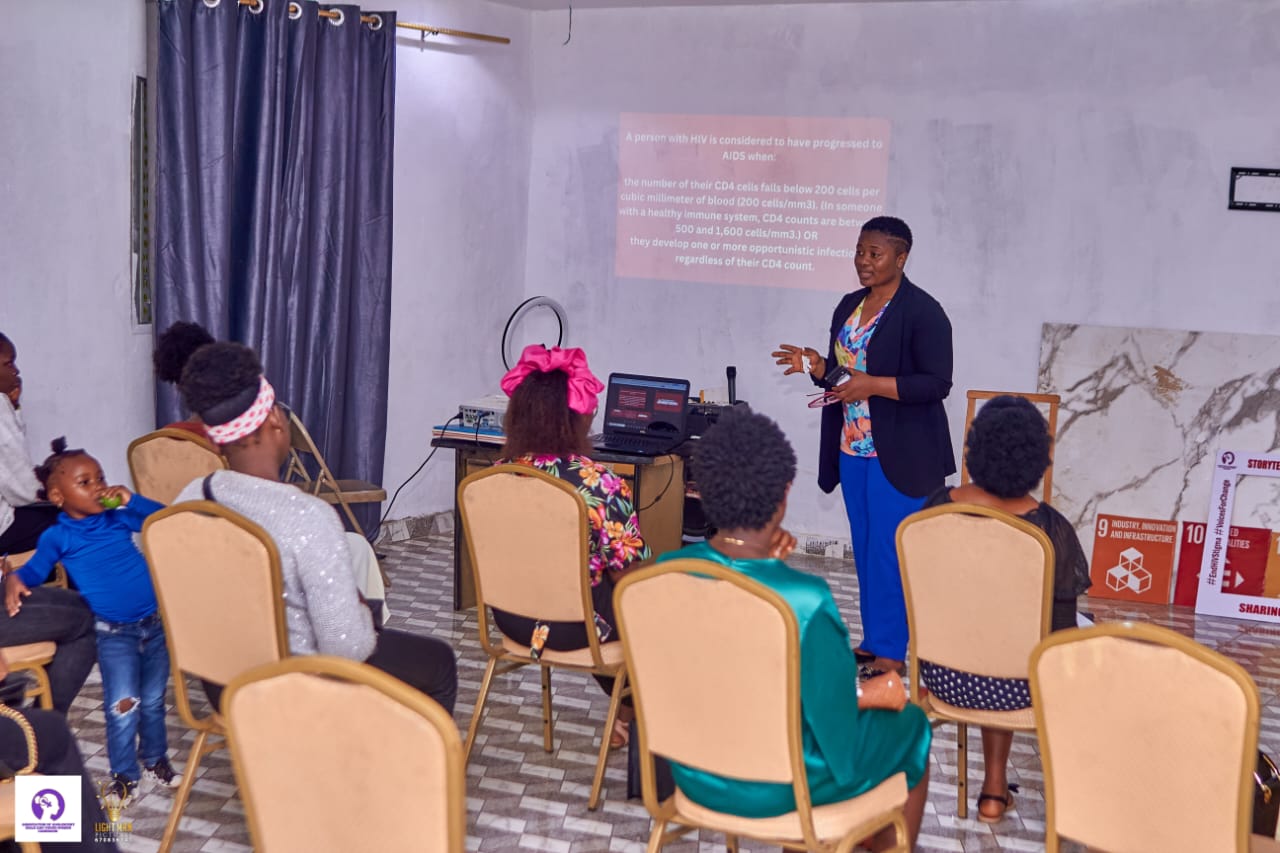
With still Bamenda bearing the scars of conflict and various health challenges, Charlotte and her team noted stigma as much bigger barrier to treatment than poverty or distance hence the powerful initiative. The storytelling workshop, urged young people to speak about their journeys safely and with dignity using their voices.
These were not sessions of confession, but of transformation aimed at sparking conversations with local authorities and stakeholders while advocating for better youth friendly HIV services especially at a time when international funding is on a decline.
“Storytelling is a form of power,” Charlotte states. “It gives young people the space to talk about their lives in their own words not as victims, but as advocates and leaders. Once they start speaking, you can almost see the weight lift.”
Youth who have carried their stories in silence and shame now stand tall before their peers, sharing their truth not for sympathy, but for change. In their words, HIV stops being a mark of shame and becomes a story of resilience.Their stories once silenced now echo in communities challenging the prejudices that have long kept them quiet.
“We’ve seen young people who once could not introduce themselves in a group now sharing their stories clearly and with pride,” Charlotte says. “Some have gone from whispering about their status to openly advocating for youth friendly services and respectful treatment at health facilities.”
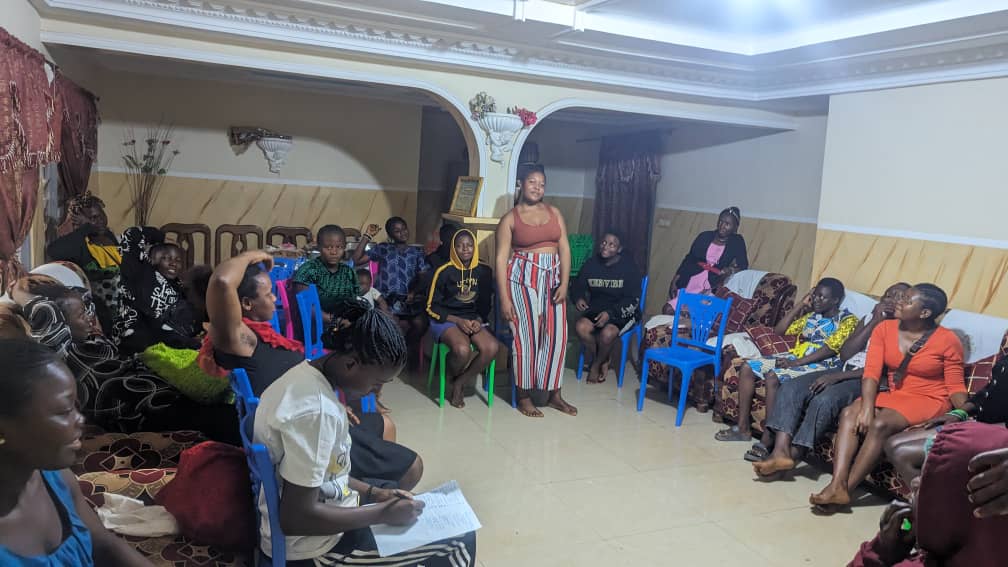
Through the initiative, a safe circle where young people living with HIV find strength in one another has been built.
Some have taken it out of the workshop leading awareness sessions in their communities. They no longer see their stories as burdens but as bridges connecting hearts, breaking myths, and inspiring others to seek help.
Having trained over 15 persons living with HIV, held two community storytelling workshops, equipped 15 peer educators with the necessary information needed to spark informed conversations, the initiative has given power to personal narratives and reached out to about 100 community members narrowing down the gap created by stigma.
“If we raise a generation that can confidently speak about their health, their rights, and their experiences, stigma doesn’t stand a chance,” Charlotte insists.
With the hope that these stories inspire change, Charlotte and her team say the dream is bigger.
“ We hope this becomes a ripple effect. One brave voice inspiring another, then another, until it becomes normal to talk about HIV without shame. When that happens, we will not just be fighting stigma anymore we will be building a culture of empathy and dignity.”
Every story told becomes a shield for another young person still hiding in silence.
The Association for Adolescent Girls and Young Women in Cameroon, hopes for a future where young people living with HIV are listened to, not judged for their status and have systems understand that support must not only exist but must be accessible.
Beyond raising awareness, the initiative used advocacy with local stakeholders to shed light on the systematic barriers faced by young people living with HIV especially in a conflict torn community.
By Tantan Patience