
With the 2026/2027 school year just around the corner, authorities in Bafut Sub-Division are putting pressure on themselves and the community to get more schools running. The new academic year officially begins in Cameroon on Monday, September 7, 2026.
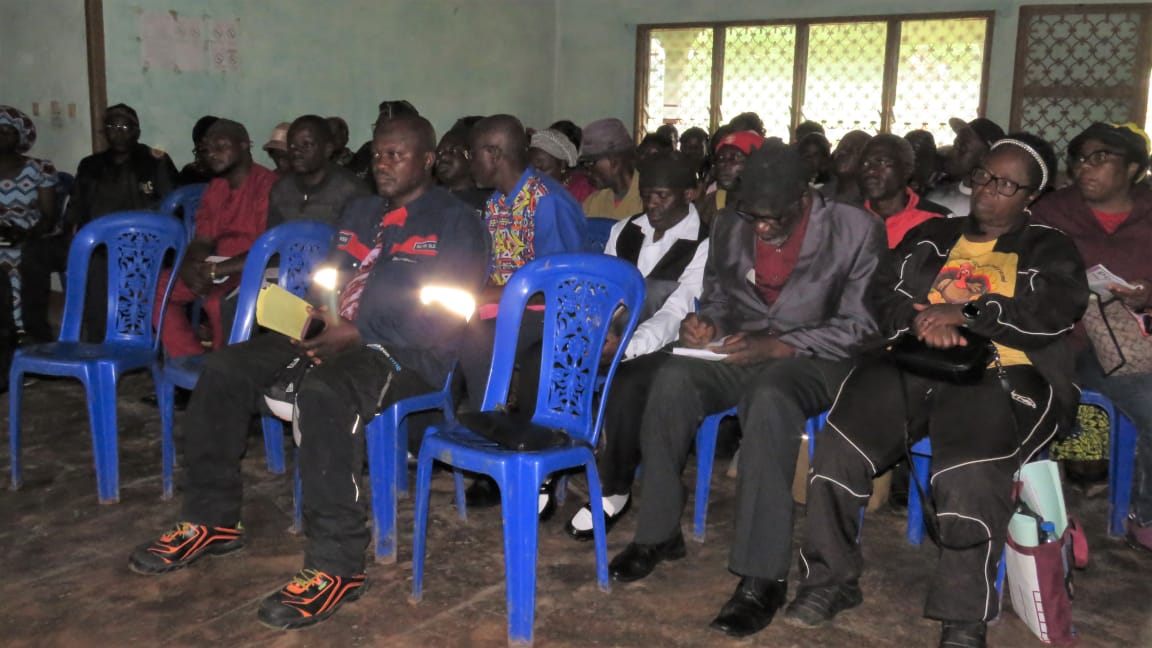
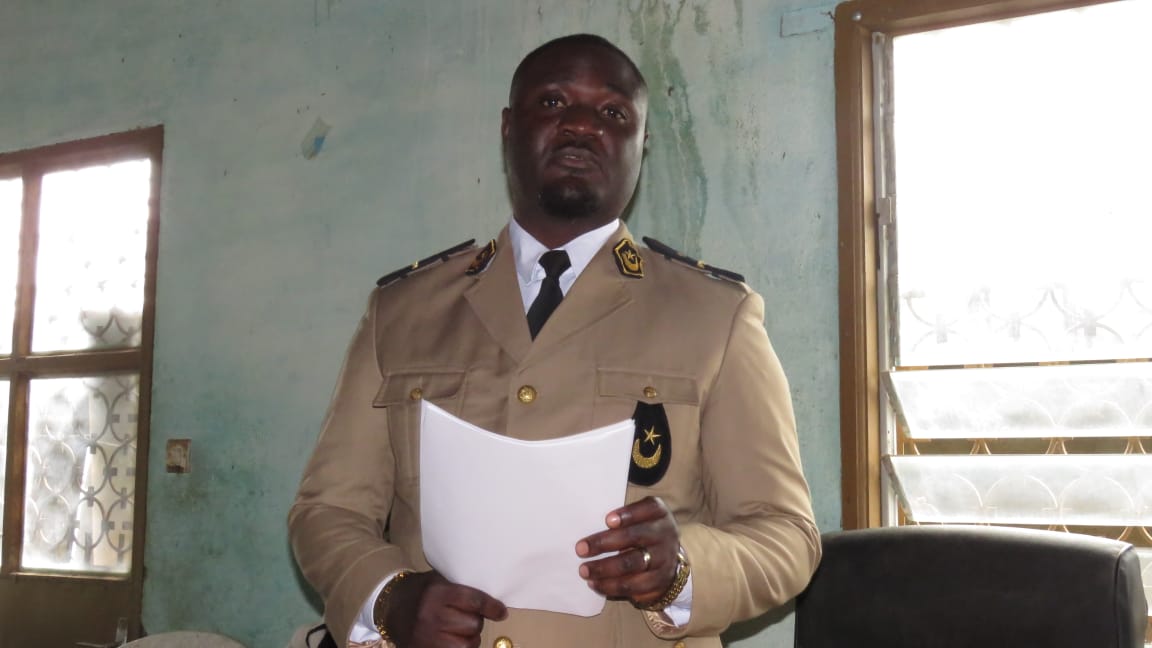
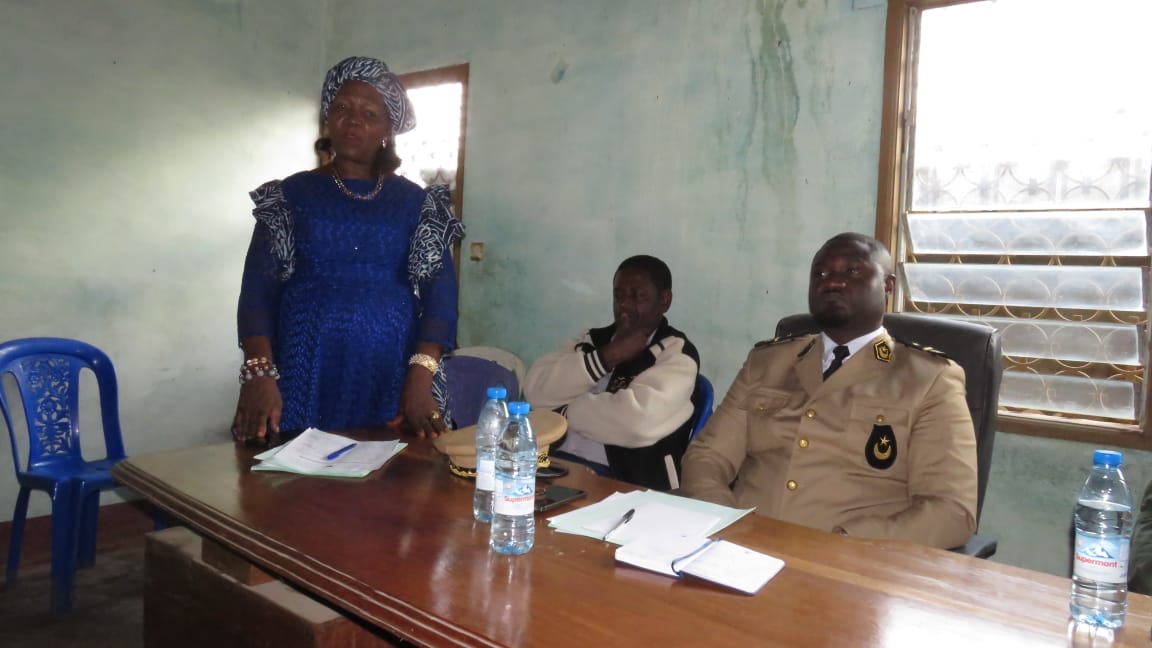
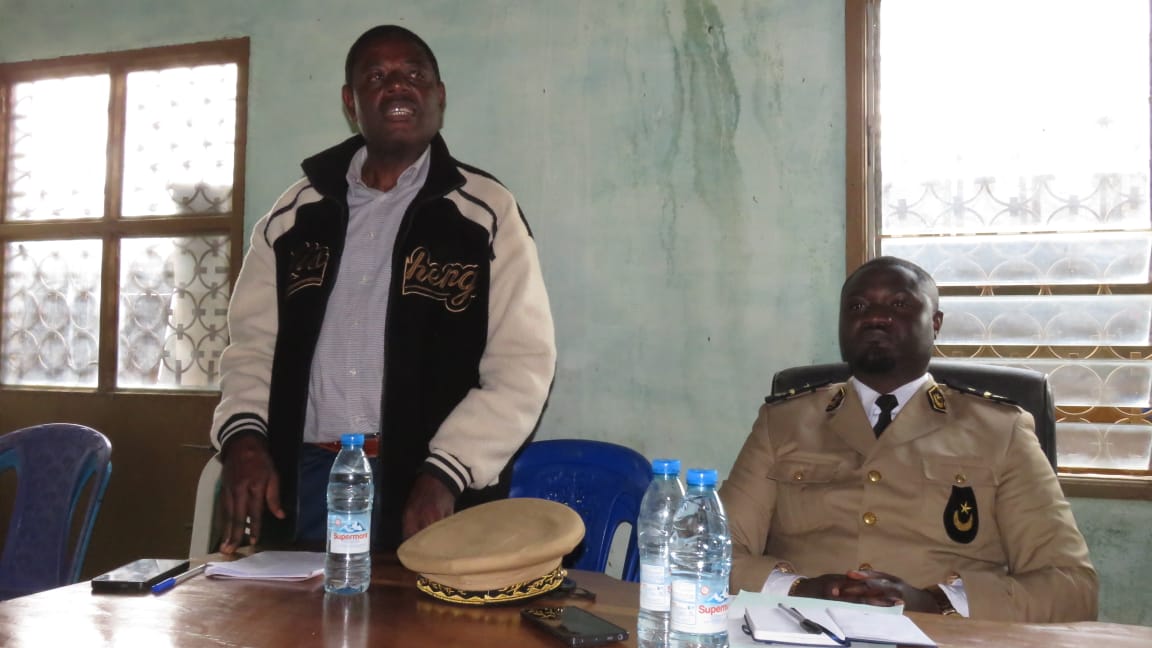
At a meeting chaired by the Divisional Officer for Bafut, Forku Djokem Andrelys, on Friday August 28, 2026, education took centre stage, particularly the situation of government secondary schools.
Only two government secondary schools were functional in Bafut last year. For the DO, this cannot continue. He wants more schools to open their doors this year, including basic education institutions that have remained closed.
The bigger question is not only whether schools will reopen, but whether children will be able to sit their examinations without leaving Bafut.
The DO says the commitment is for public examinations to be written in Bafut. Catchment and examination centres are expected to be created at GNS Agyati, GBSS Nsoh and the Social Centre Agyati.
There is also another development in secondary education. Form One technical and grammar education is expected to become operational in Bafut this academic year.
For a community that has had to deal with years of disruption, these measures could make a difference. Keeping examinations and more learning opportunities within the subdivision means parents may not have to send their children elsewhere simply because a particular programme is unavailable locally.
Despite the difficulties, the basic education sector recorded strong examination results.
Figures presented during the meeting showed that 424 candidates registered for the General Common Entrance examination. A total of 417 were successful on List A and 17 on List B, giving a reported 100 per cent success rate.
In the Common Entrance Technical examination, 129 candidates registered. There were 127 successful candidates on List A and two on List B, also giving a reported 100 per cent success rate.
For the First School Leaving Certificate, 807 candidates registered, with a 98.13 per cent success rate.
The DO praised the teachers but said there was still room for greater commitment. He called for punctuality, regular attendance, assiduity and probity among teachers.
The Bafut Council is also stepping in. Chesi Miriam, First Deputy Mayor, said the council has prepared didactic materials and benches for schools that will be functional when the academic year begins.
According to her, the council also has a special package for some of the first pupils and students to register in schools.
The council is equally encouraging parents to take birth registration seriously. Parents, she said, should approach the council with the necessary documents from health facilities so that birth certificates can be issued.
But education in Bafut cannot be separated from the question of security.
The DO appealed to parents, traditional rulers, elites, religious authorities and other community leaders to play their part in creating a safe environment for children.
He particularly called on traditional rulers and parents to encourage youths involved in armed activities to abandon the bushes and embrace reintegration opportunities through the Disarmament, Demobilisation and Reintegration process.
His argument is simple: schools cannot function properly where children and teachers are afraid to move.
Bafut's education stakeholders now have a few days to turn the plans discussed at the meeting into reality. The materials are being prepared. Benches are available. More examination centres are being proposed. New programmes are expected to start.
The real test will come on September 7, when the gates of schools are expected to open.
For Bafut, the hope is not just to start another academic year, but to keep children in classrooms and gradually rebuild an education system that has suffered years of disruption.
By Neba Jerome Ambe