
By Neba Jerome Ambe
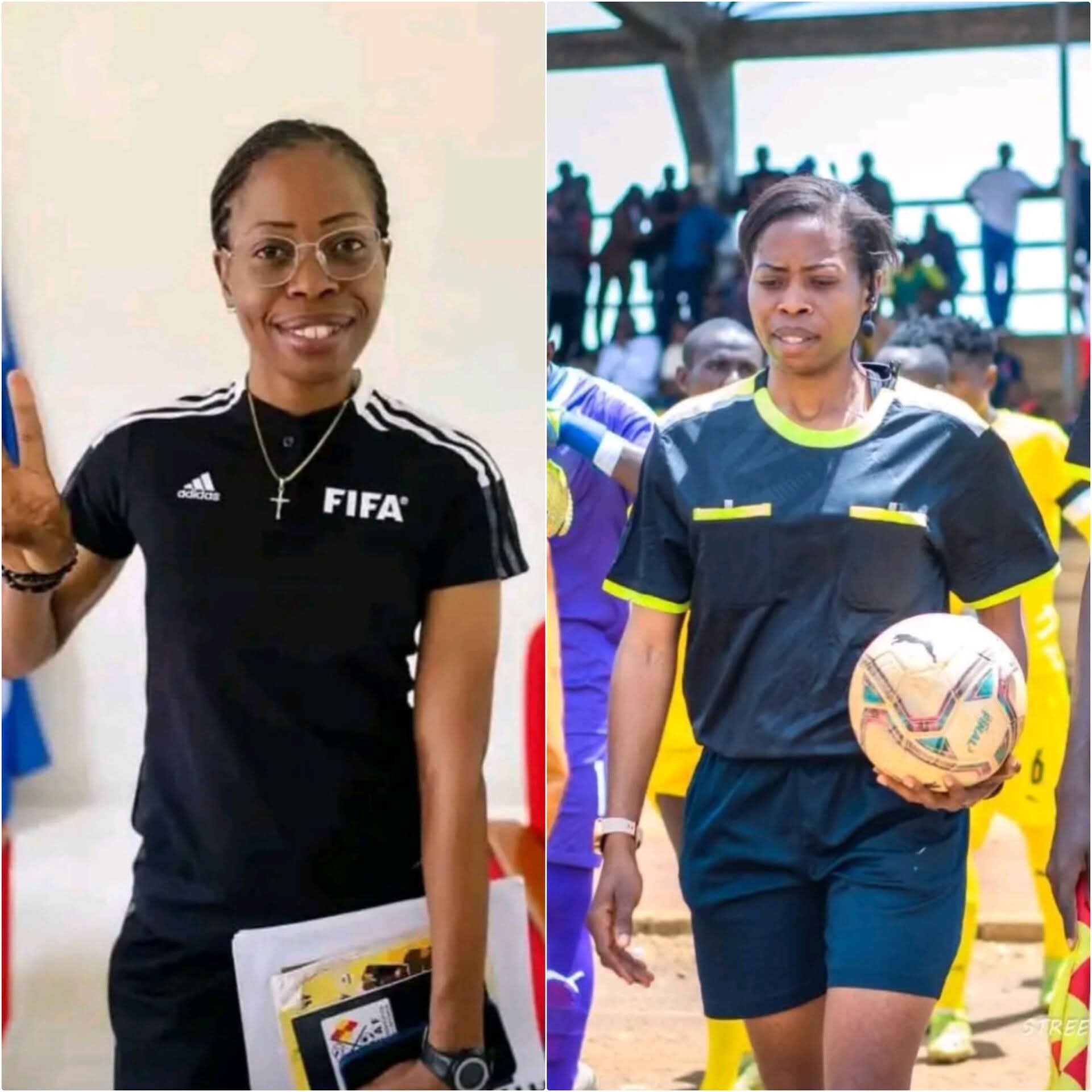
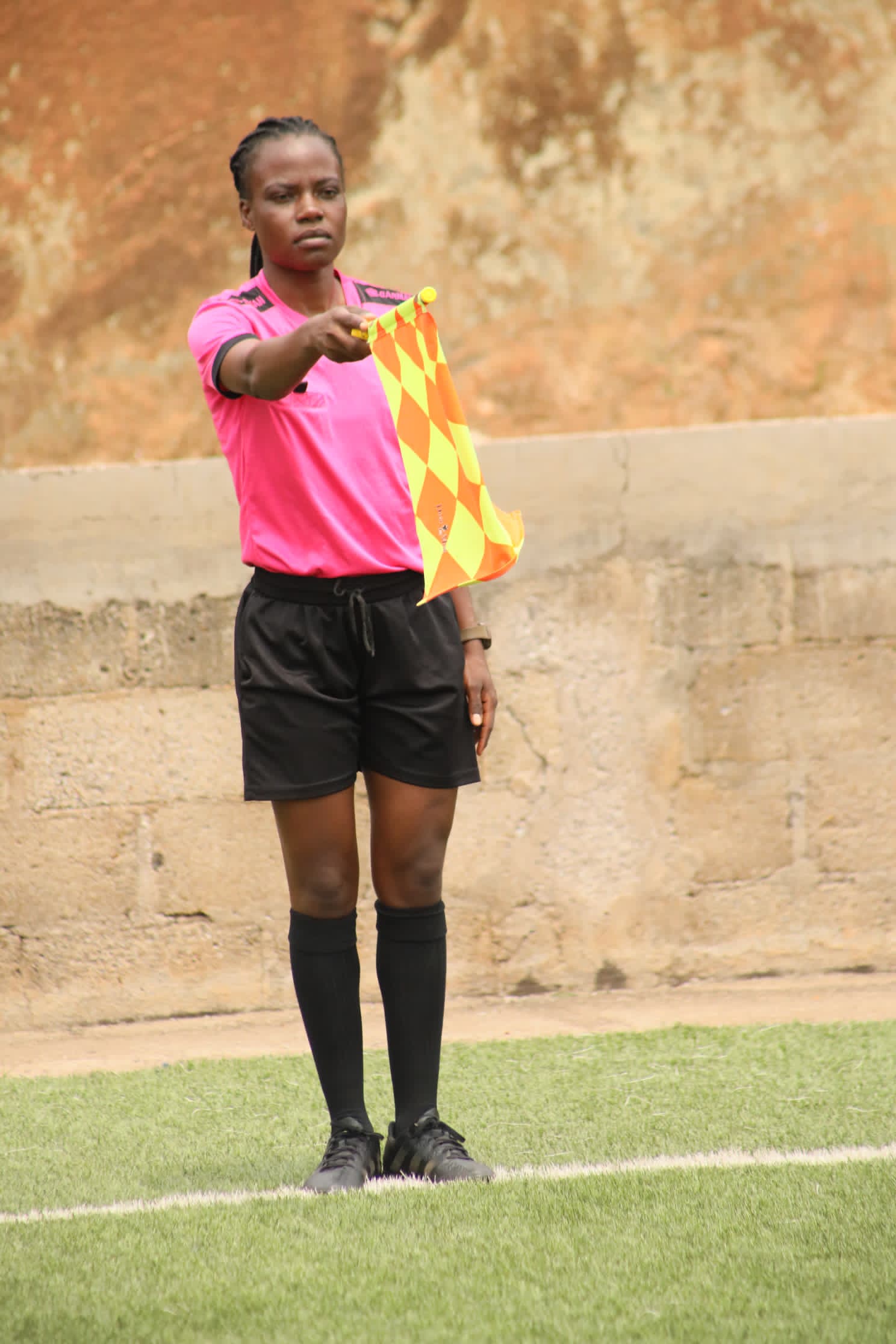
In Cameroon’s North-West Region, where deep-rooted stereotypes have long defined the boundaries of women’s participation in sports, two remarkable women are quietly, but powerfully, rewriting the narrative. Through discipline, resilience, and community support, Innocentia Ntangti and Wirba Mary Grace are not only excelling in their respective fields but also offering a roadmap for change in a society where women are often told where they “belong.” Their stories go beyond personal triumph. They present practical solutions to a persistent problem: the underrepresentation and under valuation of women in sports and leadership roles.
A Problem Rooted in Perception
For years, sports like football refereeing and endurance racing have been perceived as male-dominated spaces in Cameroon. Women entering these fields often face skepticism, limited institutional support, and the burden of balancing professional, personal, and societal expectations. Both Ntangti and Wirba encountered these realities early in their careers. "People underestimate my capabilities,” Wirba recalls. “They tell you to focus on something else, that sports is not for women.”
Ntangti echoes similar challenges, noting that as a wife, mother, and teacher, combining family life with the physical and mental demands of refereeing requires extraordinary discipline and support. Rather than being deterred, both women developed strategies that not only helped them succeed but also offered replicable solutions for others.
Structured Preparation and Professionalism
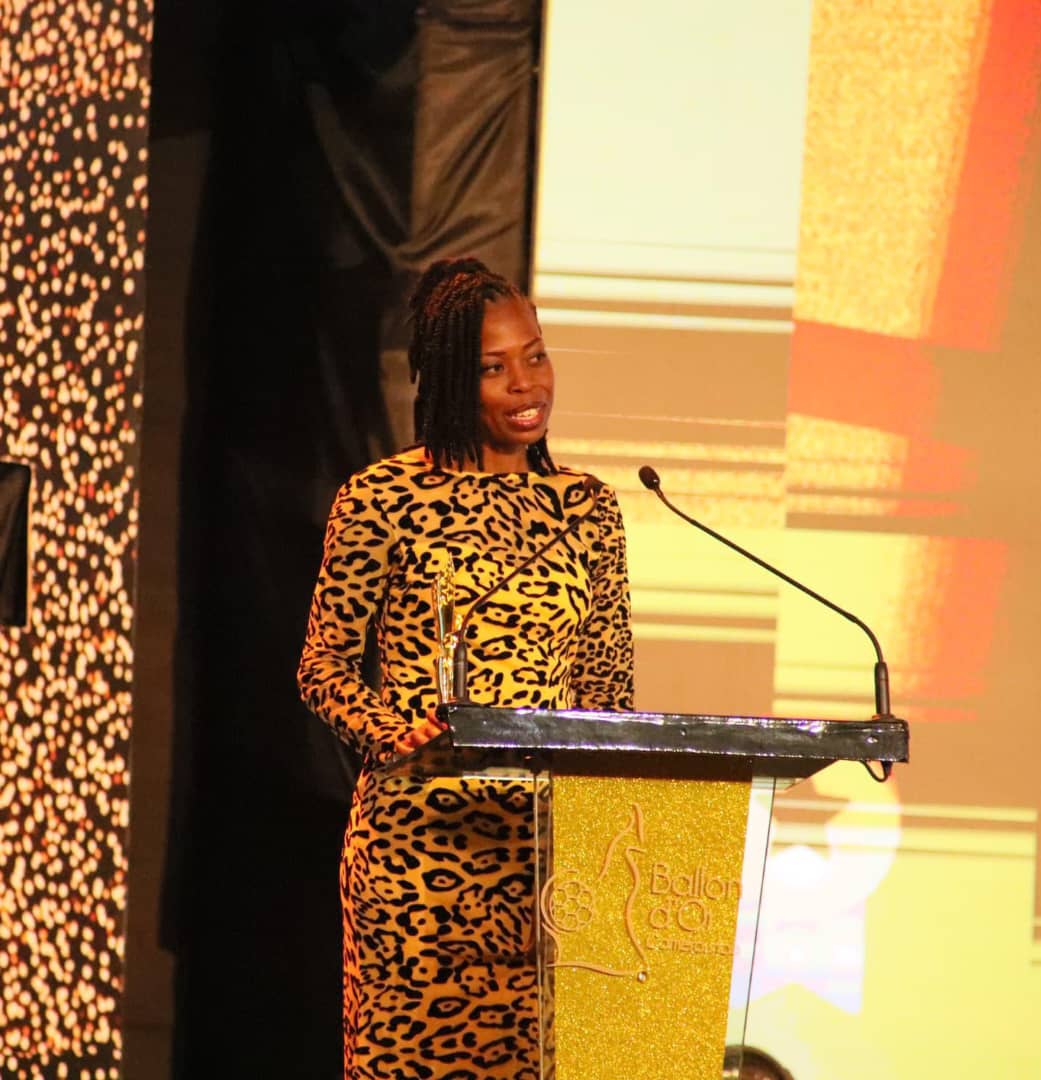
Ntangti attributes her success and her recognition as Best Referee of the 2024/2025 Guinness Super League season to rigorous preparation. "Refereeing is physically, mentally, and emotionally demanding,” she explains. “I follow a strict training program and constantly revise the laws of the game.” Her approach highlights the importance of structured training systems and mentorship in building confidence and competence among female referees.
Leveraging Cross-Disciplinary Strengths
Wirba’s journey offers another solution: adaptability. Starting as an athlete, she transitioned into refereeing while maintaining her passion for sports and a teacher. Her background in athletics, she says, gave her a physical advantage on the pitch. “Refereeing requires fitness first. Athletics already prepared me for that.” This cross-disciplinary approach demonstrates how women can leverage skills from one to excel in another, maximizing opportunities rather than abandoning ambitions.
Ntangti draws inspiration from international and national referees like Stéphanie Frappart and Atezambong Carine, whose professionalism shaped her aspirations. Today, she benefits from direct mentorship, an element she considers critical to her growth.
Similarly, Wirba credits her family as her strongest support system, emphasizing the role of encouragement at the grassroots level.
These experiences point to a clear solution: intentional mentorship and visible role models can significantly increase women’s participation and retention in sports.
Evidence of Change: Growing Female Participation
There are signs that these solutions are working. According to Ntangti, the number of female referees in Cameroon, particularly in the Guinness Super League is steadily increasing. This growth reflects a shift in mindset and the gradual dismantling of gender barriers.
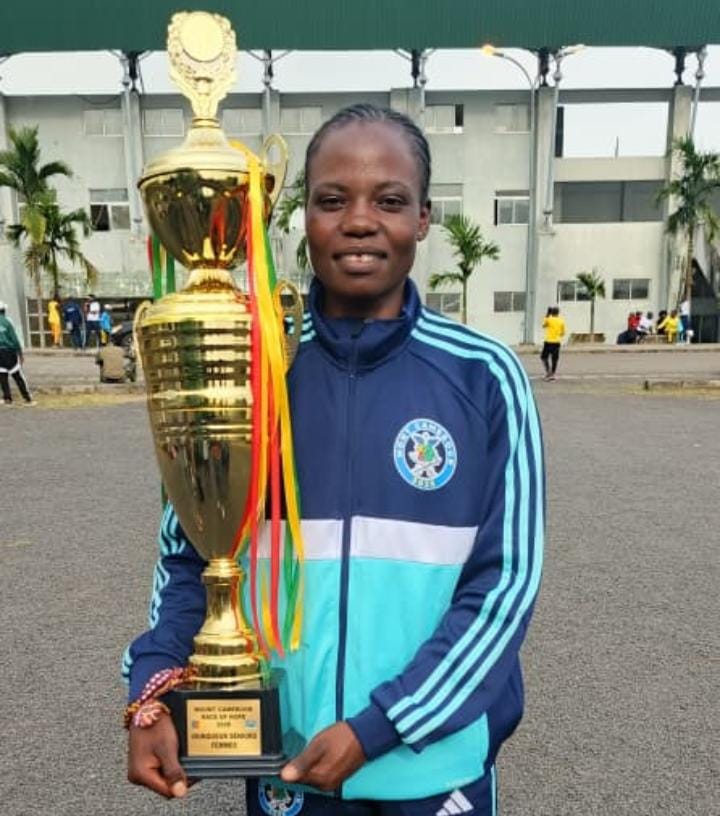
Wirba’s historic victory at the 2026 Mount Cameroon Race of Hope further reinforces this trend, proving that women can compete, and win at the highest levels of physically demanding sports.
Despite progress, both women agree that more intentional efforts are needed to sustain and accelerate change. Wirba advocates for the creation of structured support systems: "We need frameworks that encourage women and girls to enter these fields and stay in them.” Such frameworks could include: Institutional policies that promote gender inclusion in sports, Community sensitization to challenge stereotypes, investment in training and development programs for women, work-life balance support for female athletes and officials.
At the heart of their journeys is a shared message: belief and persistence can break barriers. "Dream big, believe it, work for it, and achieve it,” Ntangti advises young women. Wirba reinforces this with a call to action: “If you have potential, build on it. Don’t give in.”
The stories of Innocentia Ntangti and Wirba Mary Grace are not just inspirational, they are instructional. They show that change is possible when individual determination meets supportive systems. By combining discipline, mentorship, community backing, and institutional reform, Cameroon has a clear pathway to expanding women’s roles in sports and beyond. In redefining their own limits, these women are expanding what is possible for an entire generation. And in doing so, they are sending a powerful message: a woman’s place is wherever she chooses to stand, be it on the pitch, at the summit, or at the forefront of change.