
Efforts to reduce poverty and accelerate community recovery in Bafut Subdivision received a significant boost on Thursday with the official launch of the Adaptive Social Safety Nets and Economic Inclusion Project, an initiative expected to provide temporary employment, strengthen household incomes and improve basic community infrastructure.
The programme, implemented by the Ministry of Economy, Planning and Regional Development (MINEPAT) with funding from the World Bank, will directly benefit 1,000 vulnerable households in Bafut through the Labour-Intensive Public Works (THIMO/LIPW) component.
Participants will be engaged in 60 days of community work and earn 1,500 FCFA per day while contributing to projects that improve public infrastructure.
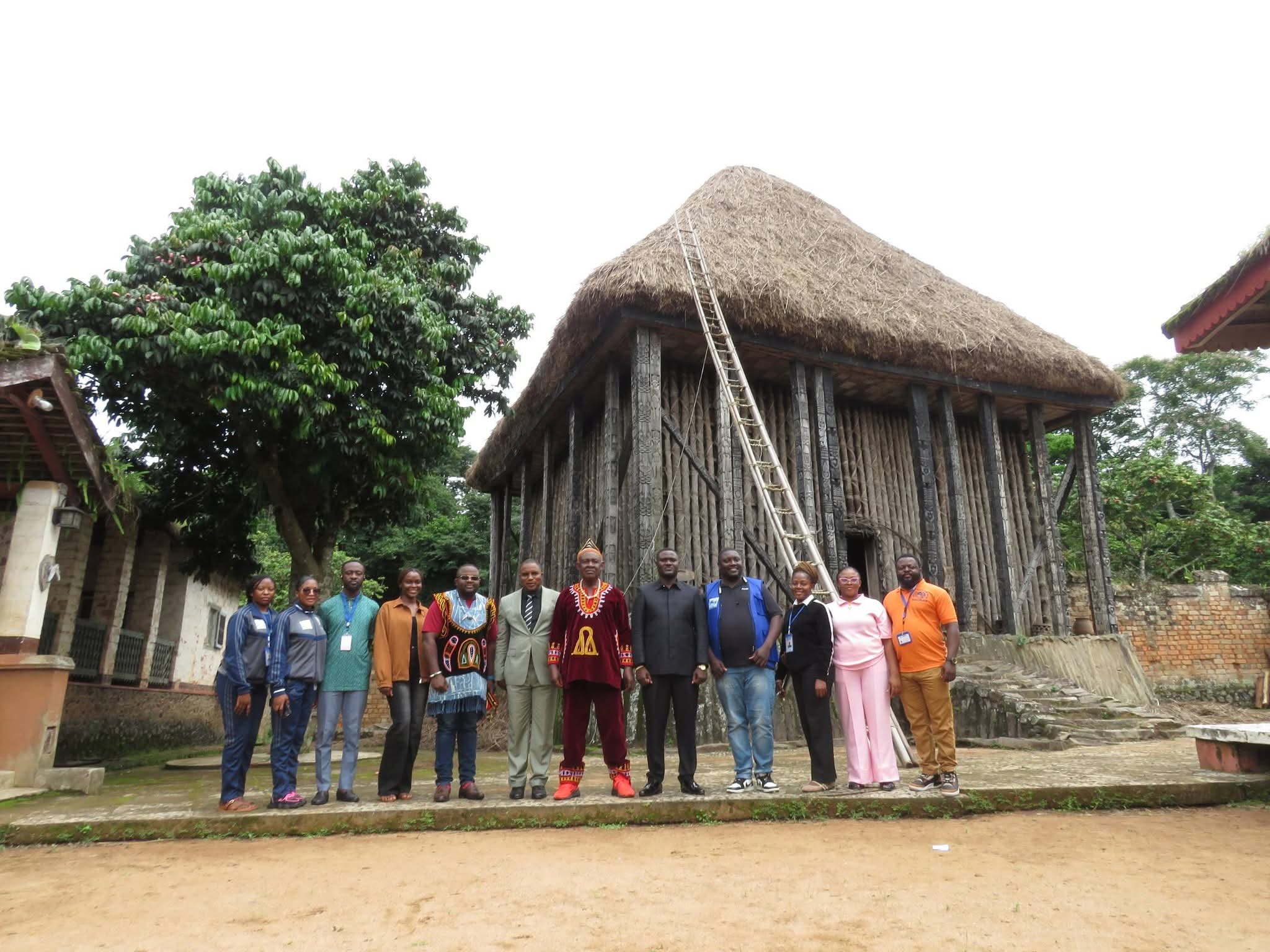
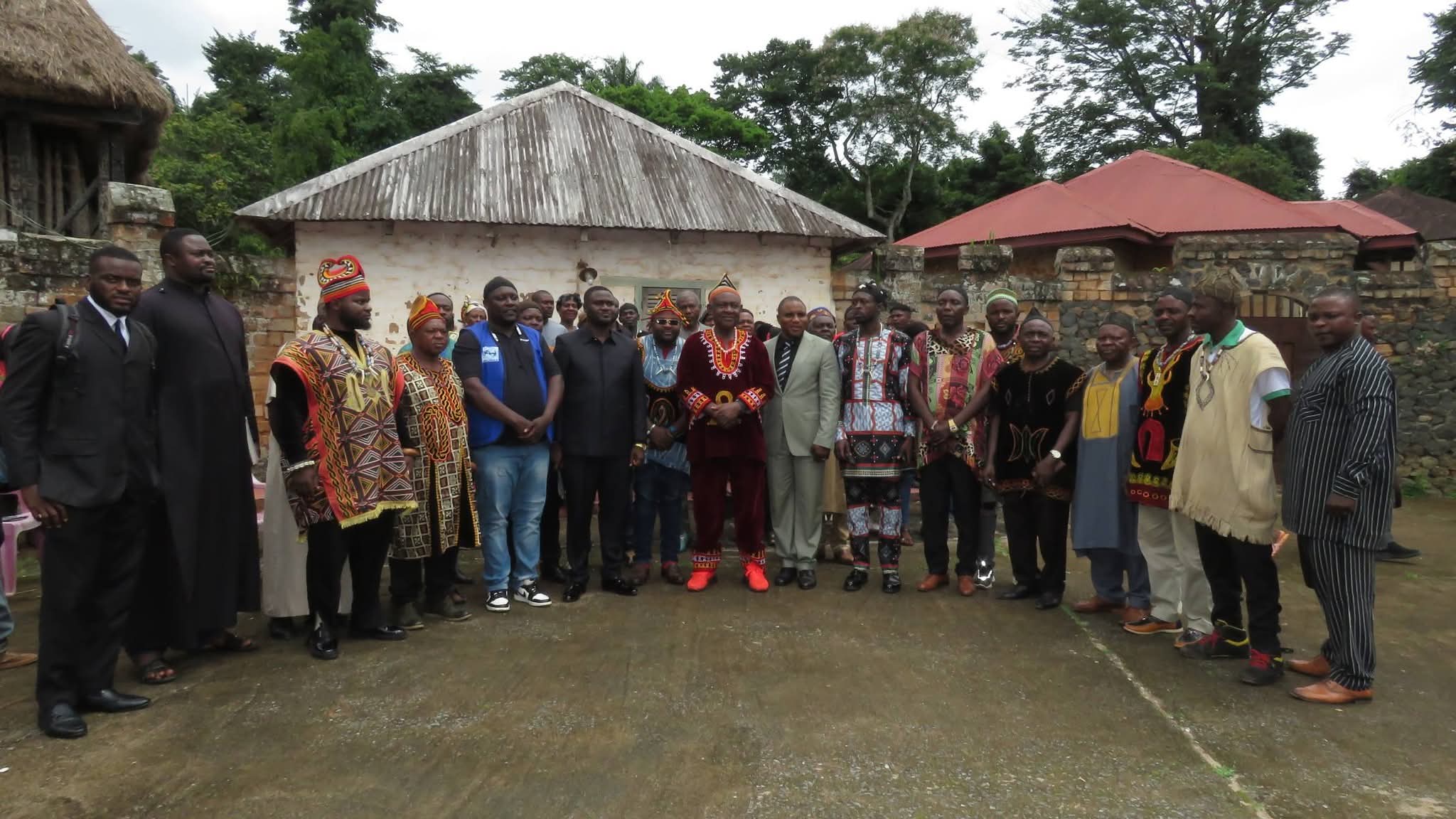
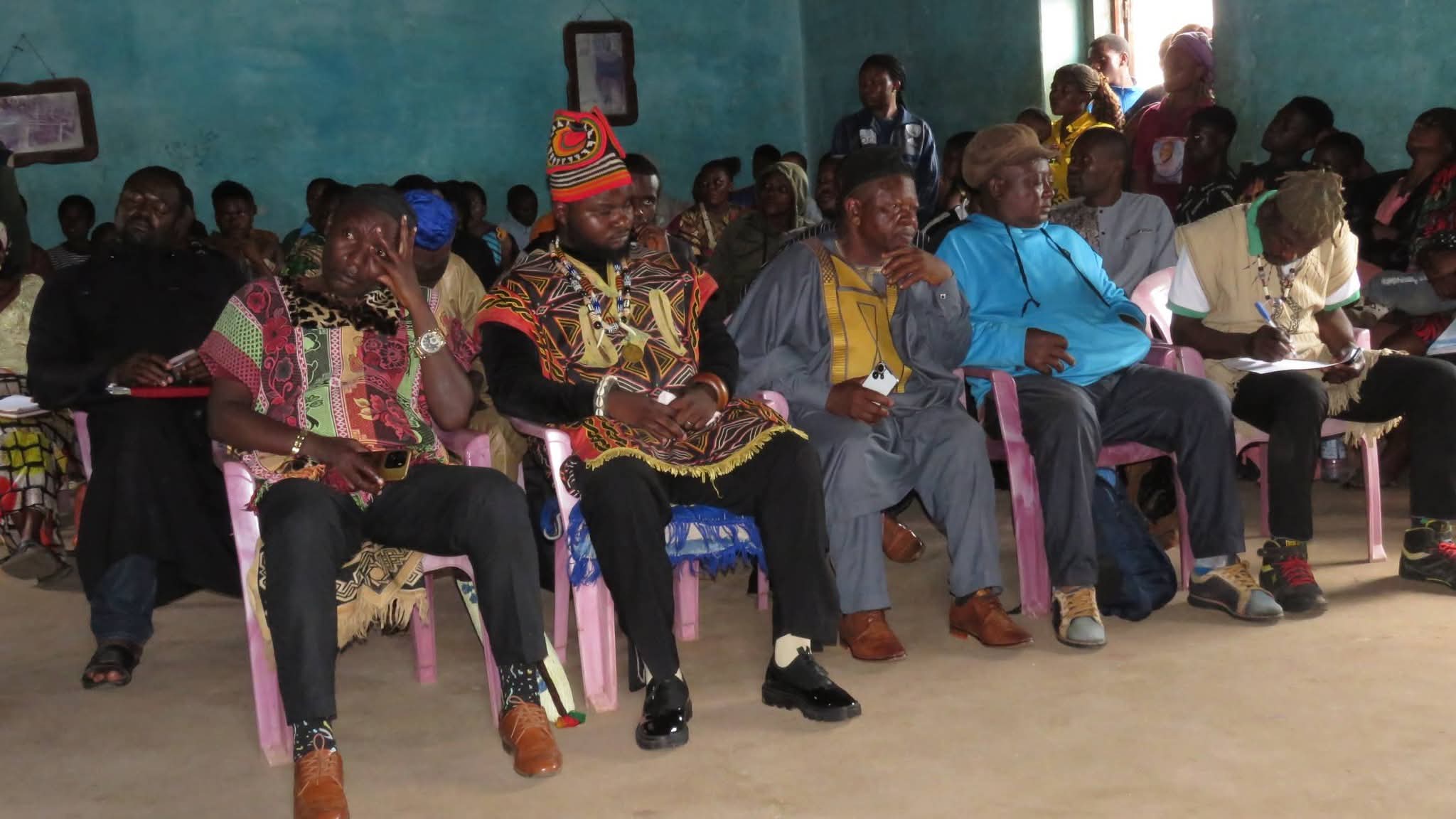
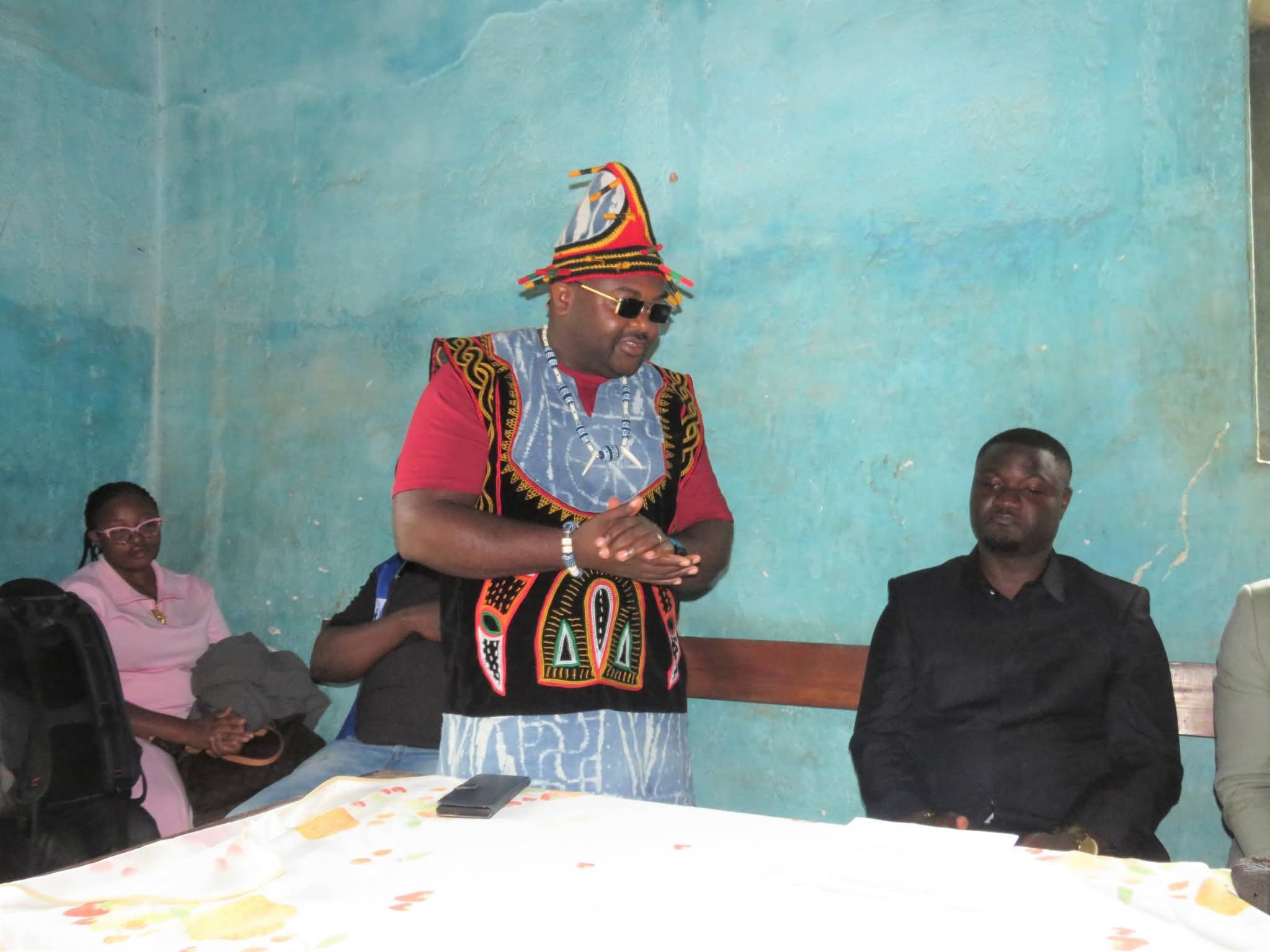
The launch on Friday July 17, 2026 at the Bafut Fon's Palace brought together administrative authorities, the Bafut Council, Religious and traditional leaders, technical services and community representatives to discuss implementation strategies and the transparent selection of beneficiaries.
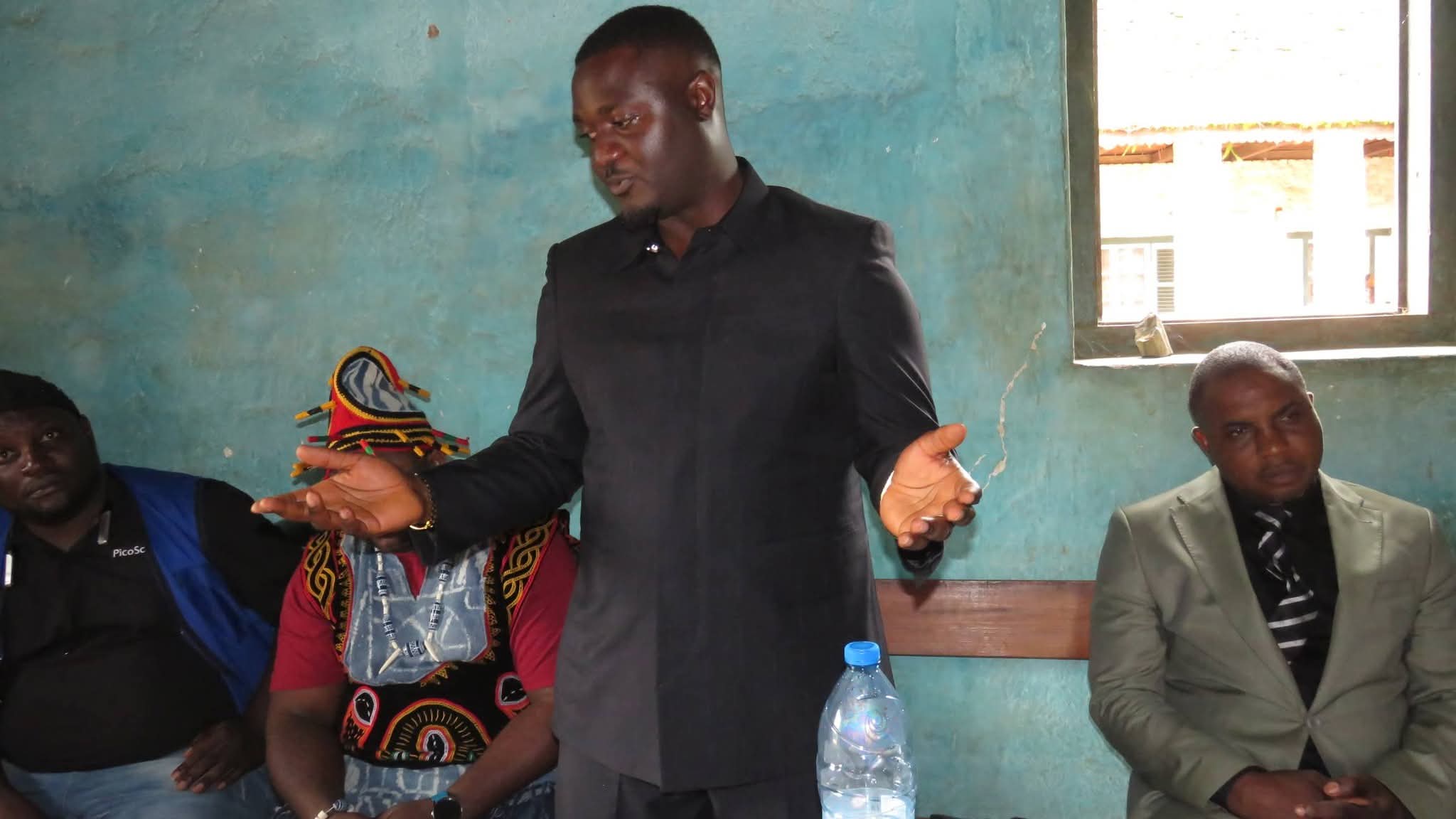
Speaking during the ceremony, the Regional Coordinator of the Adaptive Safety Net and Economic Inclusion Project for the North West and West Regions, Kanjo Elvis Nfor, said the project goes beyond providing financial assistance by empowering vulnerable families to become economically self-reliant.
"We are delighted to launch this project in Bafut on behalf of the National Coordinator and with the blessings of the Minister. Our target is to support 1,000 households, but the beneficiaries will not be selected by the project team. The communities themselves will identify those who deserve the support because they best understand who the vulnerable people are," he said.
According to Nfor, stakeholder consultations held during the launch have already provided valuable guidance on how the beneficiary selection process will be conducted in an open and credible manner.
To safeguard transparency and accountability, he explained that a local steering committee chaired by the Divisional Officer and the Mayor of Bafut has been established to supervise the exercise. Representatives of key government departments will also serve on the committee to ensure fairness throughout the implementation process.
One of the distinctive features of the programme is its focus on sustainability. Rather than ending support after the temporary employment phase, beneficiaries will receive practical training in income-generating activities through SHUMAS, the project's implementing partner.
The organisation will also provide working tools that beneficiaries will retain after completing the programme, enabling them to continue earning a living beyond the project's lifespan.
"This is not simply about giving people work for two months. The beneficiaries will acquire skills, receive equipment and be encouraged to establish income-generating activities that will continue supporting their families after the project ends," Nfor explained.
The Divisional Officer of Bafut, Forku Djokem Andelyst, described the initiative as a timely intervention for a municipality gradually recovering from the effects of the socio-political crisis.
He noted that Bafut had endured years of hardship and welcomed the Government's decision, together with the World Bank, to extend the programme to the subdivision.
"As peace continues to return, this project comes at the right moment. I encourage the population to embrace it as their own development initiative. With the commitment of the traditional authorities, the Council and the people, I believe the project will succeed and create opportunities for future development partnerships," he said.
The Mayor of Bafut Council, Ngwakongoh Lawrence, reaffirmed the Council's commitment to ensuring that the project reaches those it was designed to serve.
He stressed that priority should be given to poor households, persons living with disabilities and other vulnerable members of the community, while ensuring equitable representation across the municipality's 59 villages.
According to the Mayor, the Council will also ensure that the tools supplied under the programme are properly managed after the implementation period so they continue serving community development initiatives.
While thanking the Government and the World Bank for selecting Bafut, he appealed for an increase in both the number of beneficiaries and the expansion of other components of the Adaptive Safety Net Project to the municipality.
Traditional ruler, His Majesty Fon Abumbi II of Bafut, pledged his unwavering support for the initiative and promised to work closely with the implementation committee to ensure its successful execution.
Under the THIMO component, beneficiaries will participate in labour-intensive projects including road rehabilitation, drainage construction, sanitation works, erosion control, environmental protection, reforestation and the rehabilitation of public spaces. Strict safety measures, including the use of protective equipment and a ban on alcohol consumption before work, will guide implementation.
While the immediate benefit of the programme lies in providing temporary employment and income, its broader objective is to build resilience among vulnerable households by combining paid work with skills development, productive assets and improved community infrastructure.
For a subdivision still rebuilding from years of instability, the Adaptive Safety Net and Economic Inclusion Project offers more than short-term relief. If implemented transparently and sustained through effective community ownership, it could become a catalyst for inclusive local development and a practical pathway out of poverty for hundreds of vulnerable families in Bafut.
By Neba Jerome Ambe